The Ultimate Guide to Selecting Professional Stage Lighting for Any Venue
Light is the invisible protagonist of every performance. It does not merely illuminate; it sculpts emotion out of thin air. As manufacturers who have spent over a decade dissecting the physics of photons, we understand that a stage without the right light is just a hollow room. Choosing professional stage lights is not a shopping exercise—it is an act of engineering a visual narrative.
Defining Your Lighting Requirements
Every venue has a heartbeat, and your lighting must pulse in sync with it. A high-ceilinged cathedral demands a completely different throw than a subterranean jazz club. Before you look at a spec sheet, look at your shadows. Where do they fall? How much “spill” can your production tolerate?
The first mistake most buyers make is over-complicating the rig. Sometimes, the most profound impact comes from a single, well-placed beam. You must define the “throw distance“—the physical gap between the fixture and the performer. In larger auditoriums, this necessitates high-intensity professional stage lighting fixtures with narrow beam angles to ensure the light doesn’t dissipate into a muddy grey before it hits the target. We often see designers struggle with ambient light pollution; in those cases, raw lumen output is your only currency.
Key Features of High-Performance Fixtures
In the realm of performance-grade stage illumination, hardware is destiny. Take the follow spot, for instance. It is the surgical instrument of the lighting world. Our follow spot lights feature manual zoom and a choice of 5 or 6 dichroic colors plus white. This isn’t just about variety; it’s about the haptic feedback a technician feels when tracking a dancer. Mechanical dimming and manual focus allow for a tactile precision that digital menus simply cannot replicate.
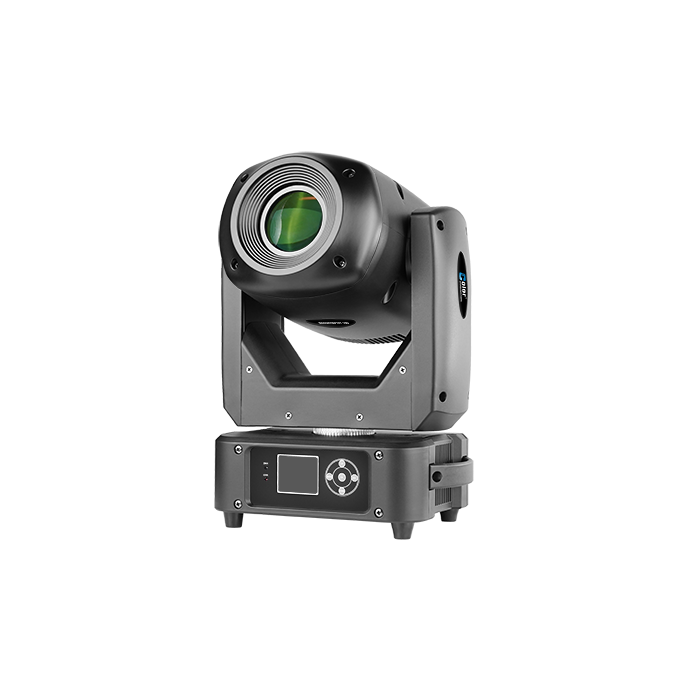
Furthermore, consider the evolution of the humble PAR can. In the past, it was a blunt instrument. Today, through advanced design and technology, our LED PAR can lights provide powerful and unique lighting effects for stages and event venues. The secret often lies in the geometry. A unique parabolic aluminum reflector design creates a clear focus in the light projection, which is essential for creating that dramatic “shaft of light” look without the haze-heavy mess of cheaper alternatives.
Understanding Color Consistency and Beam Quality
Consistency is the hallmark of a professional setup. If you line up ten fixtures and trigger a “warm white” command, any deviation in hue will make your stage look amateurish. This is “color binning,” a technical reality that separates the experts from the hobbyists.
Beam quality is equally critical. You are looking for an even field—no “hot spots” in the center and no jagged “fringing” at the edges. When we discuss professional stage lights, we are talking about the purity of the dichroic filters. High-quality filters allow for subtractive color mixing that remains vibrant even at low dimming levels. Cheap LEDs often “flicker” or shift towards a sickly green when dimmed; a professional fixture maintains its spectral integrity until the very last photon.
Balancing Durability with Advanced Control Systems
The stage is a brutal environment. Heat, dust, and constant transport take a toll on internal components. A fixture that looks beautiful in a showroom but fails after 40 hours of touring is a liability. We have seen projects across 500+ different environments, from humid outdoor festivals to static studio installs, and the lesson is always the same: build quality is invisible until it isn’t.
However, durability must dance with intelligence. Modern DMX-controlled professional lighting needs to be responsive. Whether it is variable-speed strobe effects or built-in automatic running programs, the control system should be an extension of the designer’s hand. It is about the “refresh rate”—the speed at which the light responds to a command. In high-definition video environments, a low refresh rate causes on-screen flickering. Professional gear bypasses this through high-frequency PWM (Pulse Width Modulation), ensuring the camera sees exactly what the human eye sees.
Making an Informed Investment for Your Stage
Selecting equipment is an investment in the longevity of your craft. It is tempting to chase the lowest price point, but in the world of optics, you truly get what you pay for. A well-constructed light is not a cost; it is a tool that reduces labor through reliability.
When evaluating options, look beyond the marketing fluff. Ask about thermal management. A fixture that runs too hot will see its LED life cut in half within a year. Our journey since 2010 has been defined by this obsession with the intersection of “cool” light for studios and energy-saving efficiency. We believe that professional stage lights should be felt, not just seen. When the house lights go down and your first cue hits, the gear should disappear, leaving only the performance bathed in perfect, intentional light. Choose fixtures that respect the darkness as much as they do the light.
Other News
-
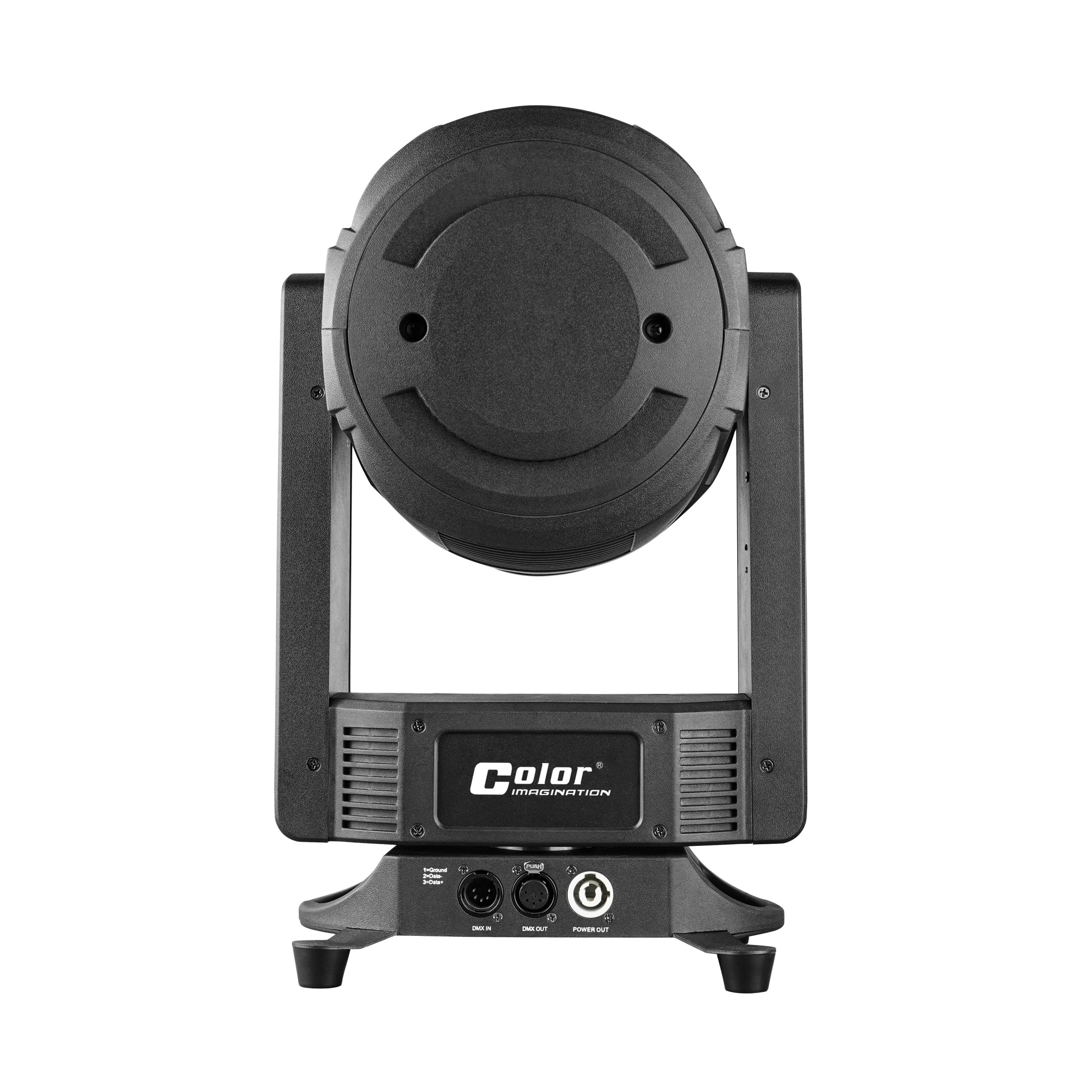
Can this Beam+Spot+Wash Hybrid Moving Head run quietly in theaters?
-
Does this LED Effect Light work well in high humidity venues?
-
Is this Beam+Spot+Wash Hybrid Moving Head compliant with EU rules?