Designing Effective Stage Lighting
Light is not merely illumination. It is an invisible sculptor. It carves shapes out of darkness. When professionals light a theatrical production, they dictate what the audience perceives and feels. A blank stage holds infinite possibilities, yet it remains dead without the deliberate direction of photons. Venues often struggle to balance intensity with subtlety. They mistakenly treat lighting as a utility rather than an emotional canvas. Transforming an empty room into a living world requires a deep understanding of physics, optics, and human psychology.
Principles of Three-Point Lighting Techniques
The foundation of visual depth lies in the classic three-point arrangement. It sounds elementary, yet its execution separates amateur setups from professional environments. Consider the key light. Placed forty-five degrees above and to the side of the performer, it mimics the natural sun. It establishes the primary reality. But a single source creates harsh, unforgiving contrasts.
To counter this, the fill light enters from the opposite angle. It must remain subordinate. Its purpose is not to eliminate shadow, but to soften the darkness, rendering details visible in the valleys of the human face. The real magic happens behind the subject. The backlight cuts through the background. It creates a thin, glowing halo around the hair and shoulders, separating the actor from the scenery.
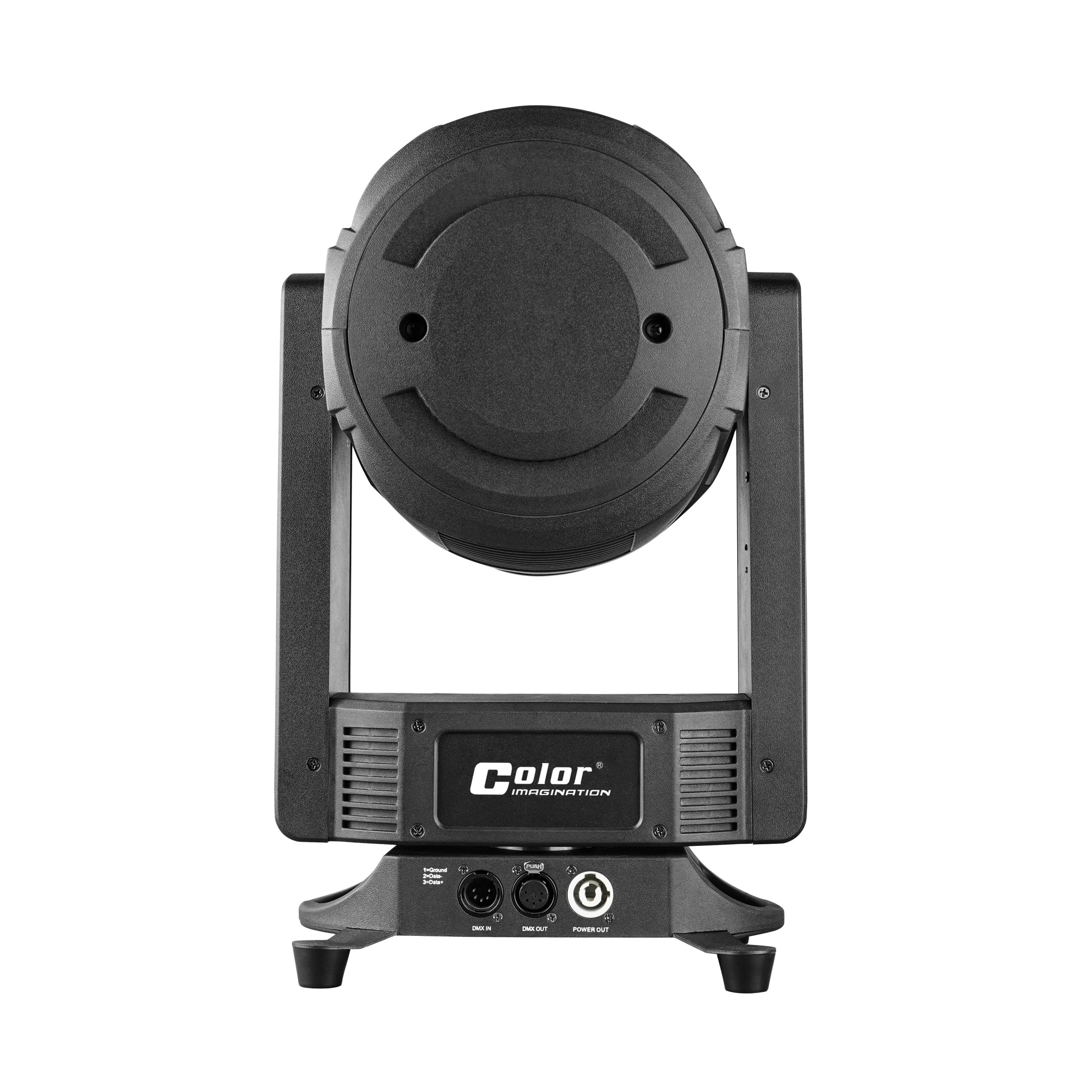
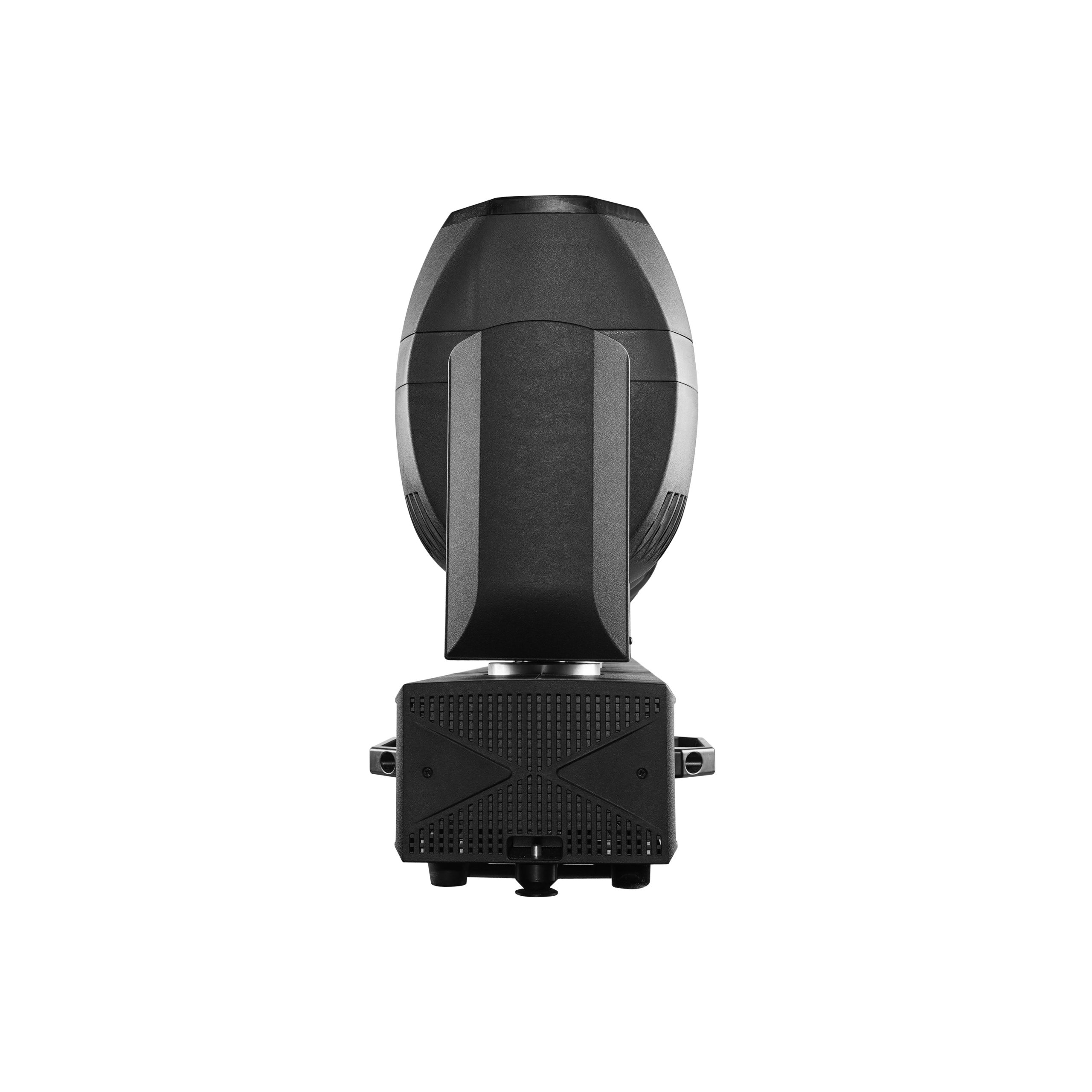
Without this separation, the stage collapses into a flat, two-dimensional plane. Think of a dark velvet curtain absorbing a performer wearing black wool. Without a crisp backlight, they dissolve into the fabric. At Color Imagination, engineering focus relies heavily on refining this specific separation, creating fixtures that cast precise beams without bleeding into unwanted zones. By projecting a concentrated beam from a compact housing, professional LED par cans allow designers to execute this delicate geometry in tight spaces where traditional, bulky fixtures would fail.
Color Psychology and Atmosphere Creation
Color is a silent language. It speaks directly to the subconscious mind before a single word is spoken. Warm amber evokes intimacy or nostalgia. Cool blue signals isolation or clinical detachment. However, the true artistry lies in the juxtaposition of color temperatures rather than uniform washes.
A common mistake in corporate events is flooding the stage with intense, saturated color. It fatigues the eye. It strips away the human element. True depth emerges when you mix opposite ends of the spectrum. Imagine a modern dance performance. A pale cool daylight white cuts diagonally across a warm tungsten-soaked floor. The tension between the two temperatures creates a tangible atmospheric friction.
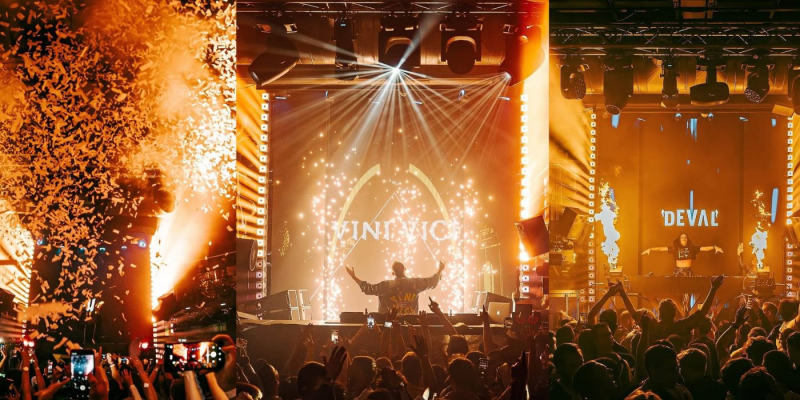
Modern LED technology provides unprecedented control over these variations. Fixtures equipped with variable-speed strobe effects and rich color blending allow transitions to feel organic, mimicking natural shifts in daylight. When professional LED par lights stage a dynamic environment, operators can shift moods instantly. They can move from the harsh, sterile environment of a courtroom drama to the warm, candle-lit intimacy of a soliloquy. The transition must be slow, almost imperceptible to the audience, pulling them deeper into the narrative without their conscious awareness.
Balancing Intensity and Shadow Control
Amateurs chase brightness; masters govern darkness. The modern urge to run LED fixtures at full intensity often flattens the stage, blinding the audience and washing out facial expressions. Overexposure is the enemy of drama. When every corner of the stage is illuminated, nothing is important.
Control requires understanding the parabolic aluminum reflector design. This engineering choice is not accidental. By utilizing a highly reflective curved interior, par can lights collect scattered light rays, organizing them into a punchy coherent beam. This creates a clear focus in the light projection. It ensures that light lands precisely where intended, leaving the surrounding areas in deliberate shadow.
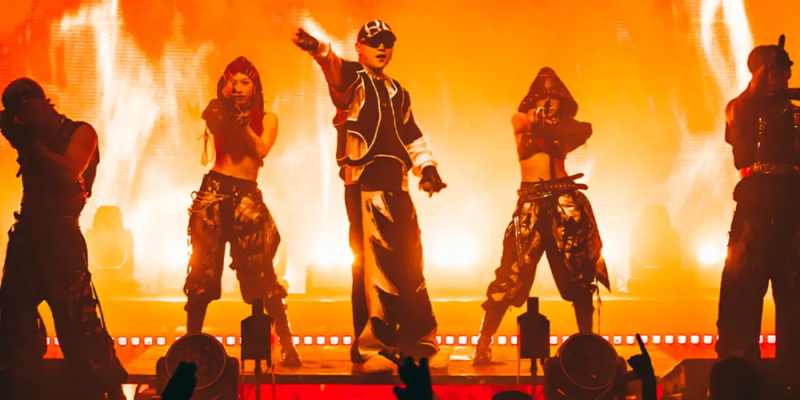
Shadows are not empty space. They are the negative space that gives form to the highlights. In an opera production, a single fixture might cast a sharply defined beam from the rafters, illuminating only the hands of a tragic protagonist. The rest of the body remains shrouded in darkness. This dramatic contrast amplifies emotional weight far more than a fully lit stage ever could. By managing the balance between intensity and shadow, venues can turn a simple physical space into a dynamic gallery where the absence of light tells a story just as powerfully as its presence. High-quality fixtures maintain stable color rendering even when dimmed to low levels, preventing the shifting hues that often plague inferior equipment.
Achieving this level of control requires reliable tools built on technical expertise. The pursuit of optical precision drives the development of compact, energy-efficient fixtures that withstand the rigors of permanent installation. When these specialized fixtures and advanced lights stage a complex production, they cease to be mere hardware. They become extensions of the director’s vision, shaping reality with every photon. Venues that invest in understanding these principles—and the technology that supports them—will consistently deliver captivating visual experiences that linger in the minds of their audiences long after the curtains close.