Why IP65 Rating Determines LED Par Can Reliability on Outdoor Stages
Anyone who has run led lights stage setups for an outdoor concert knows the fear: a sudden downpour, a fixture flickering out mid-show, and a lighting rig that was never built to survive weather. The IP65 rating on a par can isn’t a marketing checkbox. It’s the difference between a show that runs and one that shorts out.
The Problem With Standard Stage Lighting Outdoors
Most indoor-rated LED fixtures use open vents for cooling. That works fine in a climate-controlled venue. Take the same fixture outside, expose it to humidity, dust, or a light drizzle, and moisture finds its way into the driver board. Corrosion follows, then flicker, then failure — often mid-performance, when it matters most.
Outdoor event stages, touring rigs, and architectural installations all face this same exposure risk. A fixture rated only for dry, indoor use is a liability the moment it’s deployed under open sky.
What IP65 Actually Means for LED Fixtures
IP65 is an internationally recognized ingress protection standard. The "6" means total protection against dust — no particles reach internal components. The "5" means the housing withstands low-pressure water jets from any direction. This isn’t a vague claim; it’s a tested, verifiable classification used across outdoor electrical equipment, not just stage lighting.
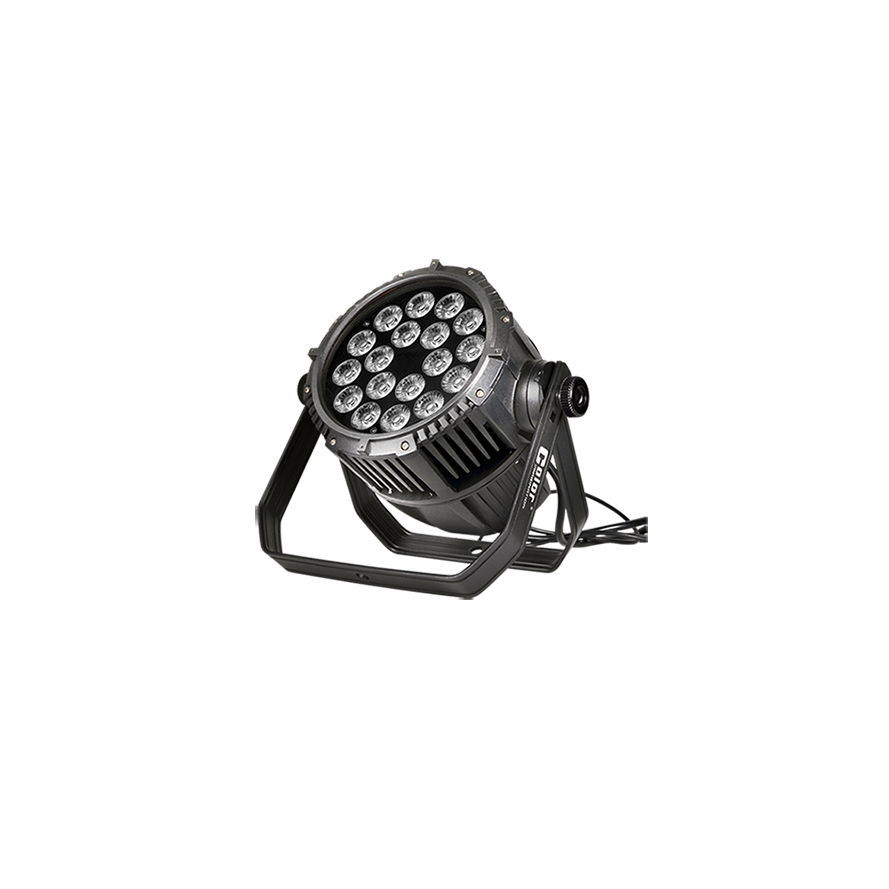
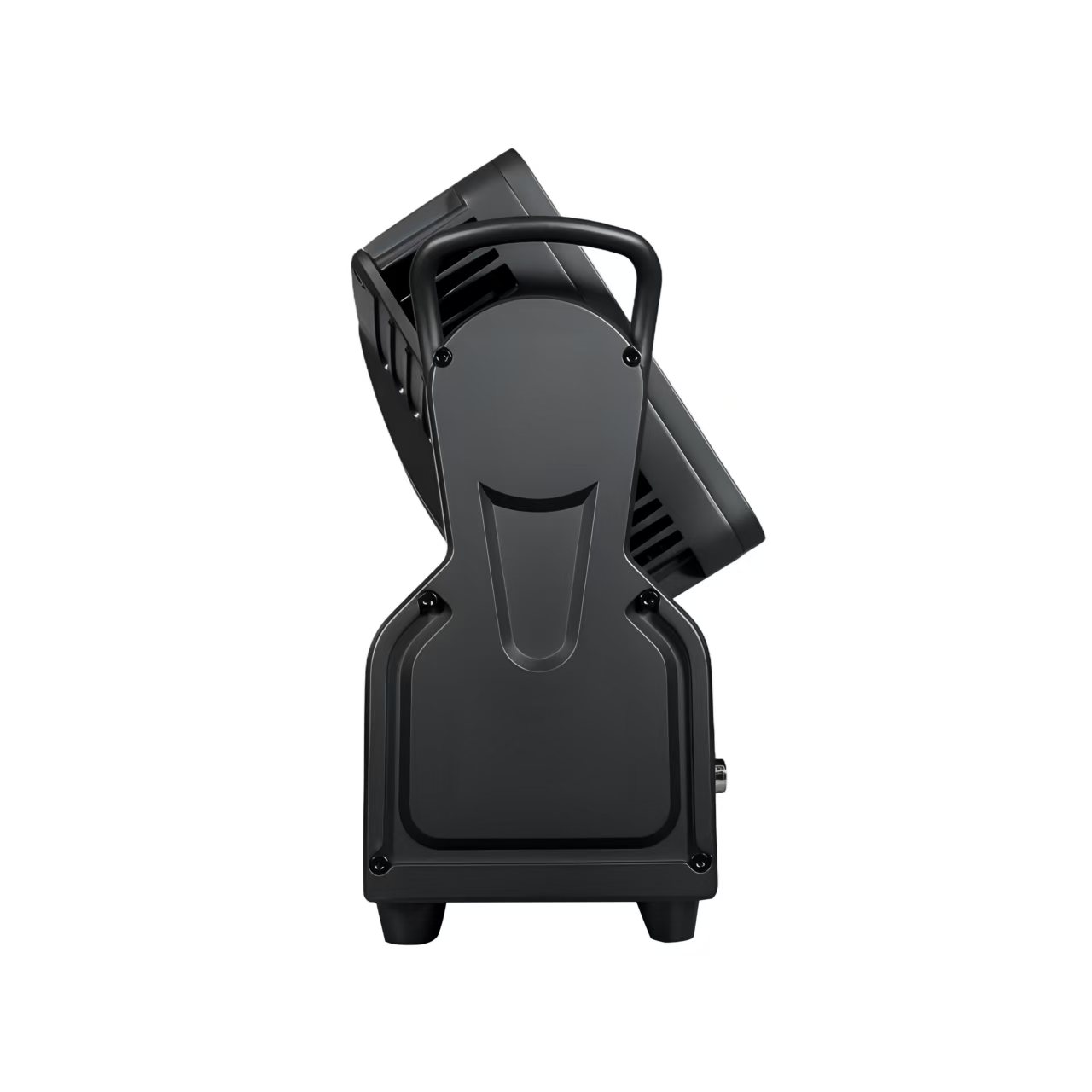
The LEDPAR 18-IP carries this rating through a sealed aluminum die-casting housing. That construction matters more than it sounds. Die-cast aluminum resists warping under thermal cycling — the daily swing between a hot afternoon rig and a cool evening show — while sealed gaskets keep the IP65 barrier intact over repeated setup and teardown cycles.
Heat Management Inside a Sealed Housing
Here’s the engineering tension every outdoor fixture designer faces: sealing a housing against water also seals in heat. LEDs are sensitive to thermal buildup — sustained high temperatures shorten LED lifespan and cause color shift over time. A poorly designed sealed fixture solves the water problem and creates a heat problem instead.
The LEDPAR 18-IP addresses this with an integrated aluminum heat sink system paired with over-temperature protection circuitry. The die-cast body itself acts as a passive heat exchanger, drawing heat away from the LED array. This is a common approach among IP-rated fixtures in this category, and it’s why the fixture’s rated 50,000-hour life span is a reasonable class specification rather than an unusual claim.
| Specification | Detail |
|---|---|
| Protection Rating | IP65 |
| Light Source | 18 LEDs, 6-in-1 / 5-in-1 / 4-in-1 configurations |
| Beam Angle | 25° standard, 15°/45° optional |
| Power Consumption | 144W–216W depending on configuration |
| DMX Channels | 8–10 depending on color mixing mode |
| Life Span | 50,000 hours |
Beam Angle and Color Mixing in Real Layouts
Weatherproofing solves the survival problem. Beam angle solves the visual problem. A 25-degree standard beam gives a tighter, more concentrated wash — useful for highlighting a stage edge or architectural feature from a distance. Swapping to the optional 45-degree lens spreads coverage for wide backdrops without needing more fixtures.
The 6-in-1 RGBWAUV configuration adds amber and UV to the standard RGB and white mix. In practice, this can improve the range of saturated colors and mixed tones compared with simpler RGBW systems, which is relevant in TV studio productions and large-scale concerts alike.
Common deployment scenarios include:
- Large-scale outdoor concerts requiring weather resistance
- TV studio productions needing precise color mixing
- Indoor architectural lighting with long-term stability demands
- Touring event stages with frequent setup and teardown
FAQ: Common Misunderstandings About IP65 Fixtures
Does IP65 mean the fixture can be submerged?
No. IP65 covers water jets and heavy rain exposure, not submersion. That rating is IP67 or higher. IP65 is appropriate for open-air stages, not underwater or flood-prone installations.
Will a sealed IP65 housing overheat faster than a vented fixture?
Not if the heat sink design is adequate. Passive aluminum heat dissipation, like the system used in the LEDPAR 18-IP, is specifically engineered to manage heat within a sealed enclosure.
Choosing the right fixture for led lights stage work outdoors comes down to matching the ingress protection rating to the actual exposure risk, not just the beam output or color mixing specs on a spec sheet. For us, that means building the housing and thermal system to match the rating on the label — not just printing IP65 and hoping the electronics hold up.
Other News
-
Can we use our own shipping agent for this LED Strobe Light order?
-
How does this IP65 Waterproof Moving Head Light handle heavy rain?
-
Are you a real manufacturer of this LED Flood Light or a trader?